-
Tosti
29 April 2025 -
The Golden Age of Castrati
20 April 2025 -
Zarzuela
17 April 2025 -

Kama Sutra
11 April 2025
Opera
Zarzuela
Zarzuela is a fascinating and richly textured genre of musical theatre that holds a significant place in Spanish culture. It blends elements of both opera and operetta, but with distinctive features that set it apart from the more widely recognized traditions of Italian opera or German operetta.
Zarzuela has its roots in 17th-century Spain, though the genre that we recognize today began to take shape in the 19th century. The word zarzuela comes from the Spanish term for a type of royal hunting lodge—La Zarzuela—where performances combining music, dialogue, and dance were staged for the Spanish court in the early 1600s. However, it wasn’t until the late 19th century that the genre fully developed into the form we know today, marked by a mixture of spoken dialogue, singing, and sometimes dance, reflecting both the operatic and operetta traditions.
The genre originally evolved in Spain as a response to the popularity of Italian opera. Initially, it was a lighter, less formal style, often depicting popular themes and the daily lives of ordinary people, as opposed to the grandiose narratives of Italian opera. Its combination of serious and comic elements made zarzuela an appealing middle ground between high art and more accessible entertainment.
Zarzuela flourished in the late 19th and early 20th centuries, especially during Spain's "Golden Age" of zarzuela in the 1860s to the 1930s. The genre evolved in various directions:
Early zarzuela was quite simple in its musical style, incorporating folk music and popular tunes, often with a satirical or comic bent.
By the 20th century, composers like Francisco Álvarez García, Ruperto Chapí, José Serrano, and Manuel de Falla contributed significantly to zarzuela's development, incorporating more sophisticated orchestration and harmonies. Zarzuela reached its peak with composers like Tomás Bretón and Francisco José Álvarez who created works that would be performed well into the 20th century.
The genre became particularly popular in Madrid and in the broader Spanish-speaking world, with many zarzuela companies performing across Spain and Latin America.
Zarzuela blends spoken dialogue and sung music, often in alternating sections or in a more integrated format than the operatic arias and recitatives. The music itself is usually quite diverse, moving between arias, duets, choruses, and dances, often reflecting a variety of moods, from lighthearted and comic to deeply serious or even tragic.
"Zarzuela Grande" (Grand Zarzuela): Larger, more elaborate works with full orchestral scores, often containing multiple acts, elaborate staging, and more dramatic themes.
"Zarzuela Chica" (Light Zarzuela): Shorter and lighter in tone, focusing more on simple storylines and melodies. It was more accessible to a wider audience.
Another important feature is the frequent use of flamenco and castanets, adding a distinctive Spanish flavor to the musical score.
Zarzuela shares many similarities with operetta, particularly the lighter, comedic, and more accessible aspects of the genre. Both operetta and zarzuela use a similar form with spoken dialogue and music, though there are some notable differences:
Zarzuela is inherently Spanish, with lyrics and music heavily influenced by Spanish folk traditions, flamenco, and regional styles. In contrast, operettas, particularly those in German, English, and French traditions, often have different cultural and linguistic roots.
While operettas often feature a more European-style operatic music, zarzuela incorporates distinctly Spanish rhythms and melodies. Flamenco, jota, fandango, and other folk dances often appear in zarzuela, while operetta tends to favour waltzes, polkas, and other European dance forms.
Zarzuela often has a more direct connection to Spanish drama and literature, dealing with local stories, humour, and regional dialects. Operettas, particularly those by composers like Johann Strauss II (Viennese operetta) or Gilbert and Sullivan (British), often satirize society and politics, though the humour is more universal.
While zarzuela once held a prominent place in Spanish cultural life, particularly in the 19th and early 20th centuries, its status in the broader classical repertoire today is more niche. In Spain, however, zarzuela remains an integral part of the national musical heritage, with annual festivals and performances still attracting large audiences.
Outside of Spain, zarzuela’s presence is somewhat limited but still appreciated in niche circles. In recent years, there has been a resurgence of interest in zarzuela, particularly in Latin American countries, and occasionally in major opera houses outside of Spain.
Famous zarzuela works like "La verbena de la Paloma" by Tomás Bretón, "Doña Francisquita" by Amadeo Vives, and "El barberillo de Lavapiés" by Francisco José Álvarez remain in the repertoires of Spanish opera companies. Outside of Spain, however, they are much rarer in performance, though there is an occasional revival.
Zarzuela is a unique and beloved part of the Spanish musical and theatrical tradition, blending elements of opera, operetta, and musical theatre with a distinctly Spanish flavour. While it shares similarities with operetta, particularly in its mixture of music and dialogue, zarzuela is set apart by its local influences and its ability to reflect the culture, customs, and humor of Spain. Although its popularity outside Spain has been somewhat limited, it remains a vital part of the Spanish cultural identity and continues to find new audiences, particularly in the 21st century.
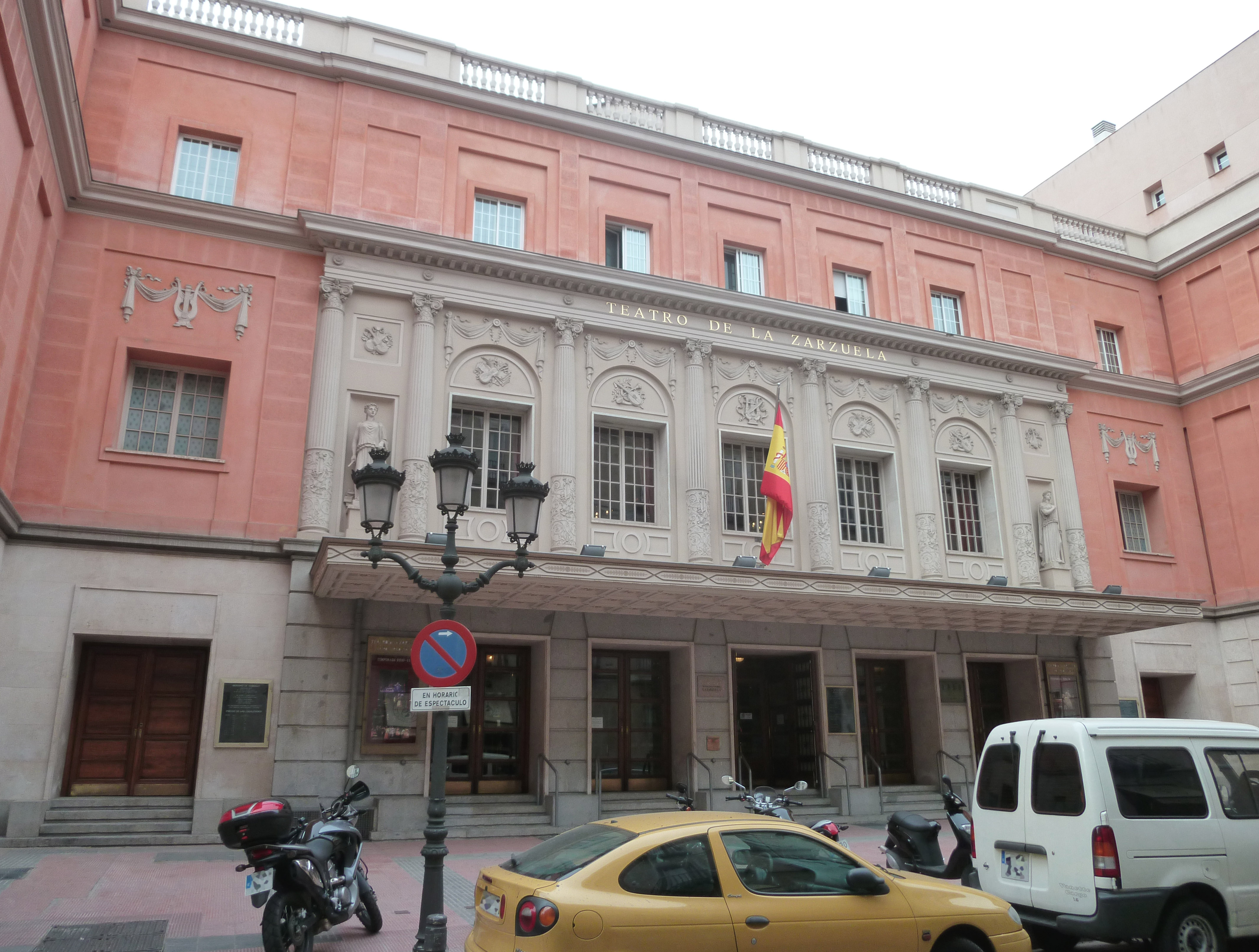
Photo/image by Luis García (Zaqarbal) ⓒ Creative Commons Attribution-Share Alike 3.0 Unported License
0 comments