-
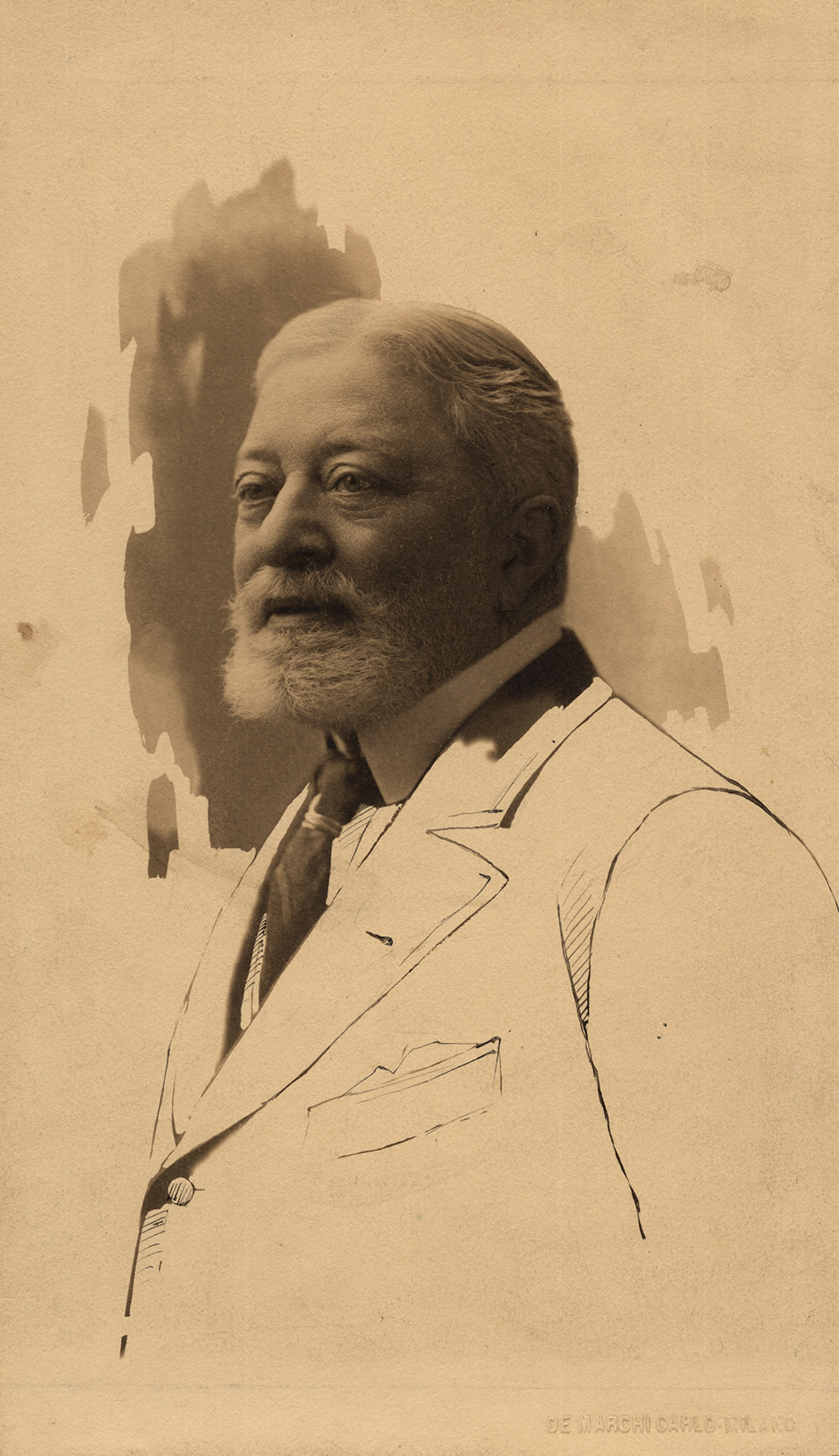
Tosti
29 April 2025 -
The Golden Age of Castrati
20 April 2025 -
Zarzuela
17 April 2025 -

Kama Sutra
11 April 2025
Composer
Tosti
Francesco Paolo Tosti (1846–1916) was a celebrated Italian composer, particularly renowned for his contribution to the genre of the salon and art song, known in Italy as romanze da salotto. His lyrical and sentimental melodies made him one of the most popular vocal composers of the late 19th and early 20th centuries.
Tosti was born in Ortona, a small coastal town in the Abruzzo region of Italy, on April 9, 1846. He demonstrated musical talent at an early age and was admitted to the Royal College of San Pietro a Majella in Naples, where he studied violin and composition under Saverio Mercadante, one of Italy's leading opera composers. However, poor health and financial hardship forced him to leave the conservatory before completing his studies.
After returning to his hometown, Tosti gradually regained his strength and began teaching and composing. His early songs gained popularity for their melodic charm and emotional appeal, which reflected the romantic sensibilities of the era. He eventually moved to Rome, where his fortunes changed when he was taken under the patronage of Princess Margherita of Savoy, the future Queen of Italy. She appointed him her singing teacher, a prestigious post that gave him access to elite circles in Italian and European society.
In 1875, Tosti moved to London, where he would spend much of his career. His reputation flourished in Britain, and he quickly became a central figure in London's musical life. He was appointed singing master to the Royal Family and counted Queen Victoria, Edward VII, and other royals among his admirers. In 1885, he became a professor of singing at the Royal Academy of Music, and in 1906 he was knighted by King Edward VII—an exceptional honor for a foreign-born artist.
Tosti's compositions were enormously successful during his lifetime. His music, often set to texts by leading Italian poets, was known for its elegance, simplicity, and emotional immediacy. He excelled in writing romanze, short lyrical pieces usually composed for voice and piano, which combined Italian operatic expressiveness with the intimacy of the drawing room. Among his most famous songs are “L’alba separa dalla luce l’ombra,” “La serenata,” “Marechiare,” and “Ideale.”
Tosti's melodic gift, refined harmonic language, and sensitivity to the voice earned him international acclaim. Although critics occasionally dismissed his work as overly sentimental or lightweight, his songs remained beloved by singers and audiences alike for their beauty and emotional depth.
He returned to Italy in his later years and died in Rome on December 2, 1916. Today, Francesco Paolo Tosti is remembered as one of the great masters of the art song and a key figure in the cultural exchange between Italy and the English-speaking world during the Belle Époque.
Sogno (Italian for "Dream") is one of Francesco Paolo Tosti’s most cherished art songs, composed around 1891. The text was written by Riccardo Mazzola, and the song exemplifies Tosti’s gift for crafting tender, melancholic melodies that resonate deeply with both performer and listener.
The song’s narrative centers on the haunting memory of a dream in which the speaker experiences a moment of joy and love—only to awaken to solitude and heartbreak. The melody unfolds with lyrical grace, supported by a delicate and expressive piano accompaniment. Like many of Tosti’s songs, Sogno is direct in its emotional appeal, blending poetic nostalgia with a refined musical language.
Tosti’s characteristic style—elegant yet passionate—is fully present in Sogno, making it a favorite among lyric tenors and sopranos. It allows the singer to explore a wide emotional palette, from wistful longing to quiet despair. The piece remains a staple in the Italian song repertoire and continues to be performed in recitals and competitions, cherished for its melodic purity and expressive power.
Image is licensed under a Creative Commons Attribution-ShareAlike 4.0 International License.
0 comments