-
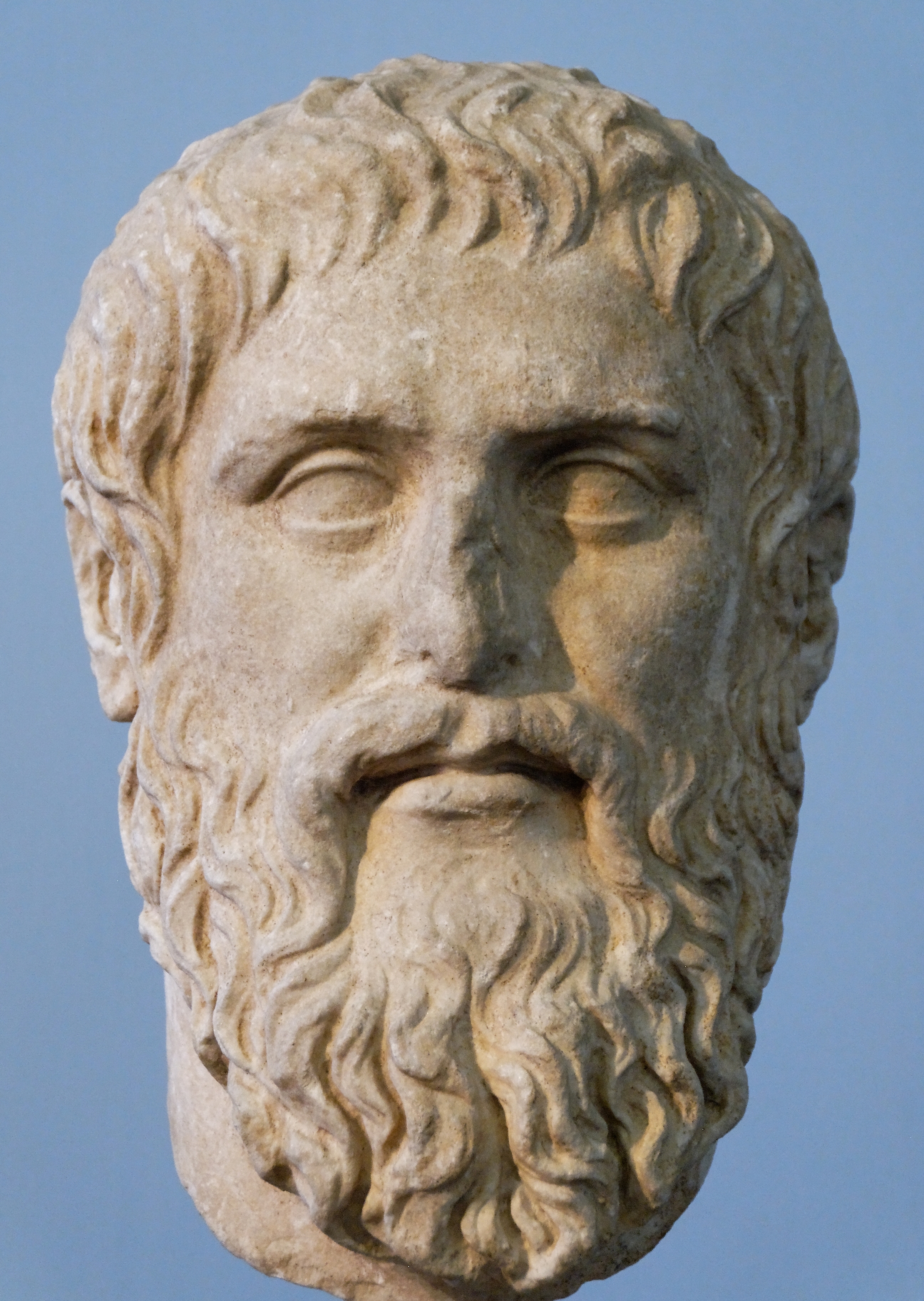
Symposium
09 May 2025 -
Tosti
29 April 2025 -
The Golden Age of Castrati
20 April 2025 -

Zarzuela
17 April 2025
Literature
Symposium
Plato’s Symposium is one of the most influential philosophical texts in the Western canon, composed around 385–370 BCE. Set in the form of a dialogue, the text dramatizes a banquet attended by a group of Athenian intellectuals and artists who take turns giving speeches in praise of Eros, the Greek god of love and desire. While often poetic and humorous, the dialogue explores profound philosophical questions about the nature, purpose, and stages of love.
The Symposium is framed by Apollodorus’ narration of a past event: a drinking party held at the house of the tragedian Agathon. Among the notable speakers are Phaedrus, Pausanias, Eryximachus, Aristophanes, Agathon, Socrates, and—briefly—Alcibiades. Each offers a unique perspective, but the dialogue builds toward the climactic speech by Socrates, which recounts his conversation with Diotima, a wise priestess or philosopher who teaches him the metaphysical dimensions of love.
Diotima introduces the concept that love is not merely desire for physical beauty or sexual gratification but a spiritual aspiration toward truth, wisdom, and immortality. This culminates in her teaching of the Ladder of Love, a progressive ascent from physical attraction to philosophical enlightenment.
The Ladder of Love (also known as the "ascent to the Beautiful") is a metaphorical journey that the lover undertakes, moving from lower to higher forms of love. It represents a process of spiritual and intellectual refinement, where the soul gradually detaches from the particular and ascends toward the universal.
Diotima outlines this ascent as follows:
Love of a Single Beautiful Body: The journey begins with the attraction to one individual’s physical beauty. This is the most immediate and instinctive form of love.
Love of All Beautiful Bodies: Recognizing that beauty in one body is common to others, the lover shifts their focus from the particular to the general.
Love of Beautiful Souls: The lover then comes to value moral and intellectual beauty more than physical appearance, turning attention to virtuous minds and characters.
Love of Beautiful Practices and Laws: The next stage is an appreciation for social order, justice, and institutions that cultivate virtue and beauty in society.
Love of Knowledge: The lover seeks understanding and wisdom, attracted to the beauty found in philosophical truths.
Love of the Form of Beauty Itself: Ultimately, the lover contemplates the eternal, unchanging Form of Beauty—an abstract, perfect ideal that transcends all physical and temporal manifestations.
This final vision, described as a kind of divine revelation, leads to the creation of true virtue and a form of immortality through philosophical insight or the birth of ideas that endure beyond one’s life.
In essence, Plato’s ladder is not just about personal growth but a cosmic vision of love as a force that connects the material world to the divine realm of Forms.
While Plato’s Symposium offers a metaphysical and philosophical model of love's ascent, the Kama Sutra, composed by Vatsyayana in ancient India (circa 3rd–5th century CE), provides a more integrated vision of human pleasure (kāma) as one of life’s core aims (puruṣārthas), alongside dharma (righteousness), artha (material success), and moksha (liberation). The Kama Sutra is often mischaracterized as merely a manual of erotic techniques; in reality, it contains rich philosophical reflections on love, aesthetics, and the social art of living.
In particular, one of its deeper layers—the cultivation of kāma through refined appreciation of beauty, music, conversation, and affection—mirrors early steps on Plato’s Ladder. Both traditions suggest that love begins with sensual attraction but has the potential to be refined and elevated. However, the Kama Sutra emphasizes a balanced life rather than spiritual transcendence. Its ultimate goal is not detachment from desire, but the intelligent enjoyment of it within ethical and social bounds.
Whereas Plato aims at a mystical union with the eternal Form of Beauty, the Kama Sutra aligns love with harmony in human relationships, aesthetic enjoyment, and worldly fulfilment. It’s a horizontal rather than vertical model of love’s perfection.
0 comments