-
Tosti
29 April 2025 -
The Golden Age of Castrati
20 April 2025 -
Zarzuela
17 April 2025 -

Kama Sutra
11 April 2025
Singer
The Golden Age of Castrati
In the 17th and 18th centuries they were the stars of the opera scene — it was the golden age of the castrati. (Talk Classical) These ethereal male singers, capable of soaring above the orchestra with astonishing vocal power and agility, dominated Europe's grandest opera houses and cathedrals. Their voices — neither fully male nor female — were the result of a drastic and controversial practice: prepubescent castration.
Castrati were not born stars — they were chosen. Selection often took place at a young age, typically between seven and nine, when a boy showed early vocal promise. Some saw it as an honour for which they were fully ready to endure the pain. In other cases, families, often impoverished, saw the potential for social elevation and financial reward. Some were persuaded, others coerced. In rare instances, boys were castrated without full parental consent or under false medical pretences (such as curing a hernia).
Before undergoing the operation, boys would typically already be enrolled in rigorous musical education, often in church-run institutions called conservatori in Italy. These were not merely schools but all-encompassing musical boot camps, where students were expected to master vocal technique, musicianship, and sometimes multiple instruments.
The castration procedure itself was shrouded in secrecy, as it was technically illegal in many regions. The exact methods varied, but a few consistent details emerge from historical accounts, ranging from cutting through the scrotum and the sperm duct to complete severance or crushing of organs. The boy might be submerged in a hot bath to relax the body and reduce blood flow, and a strong dose of alcohol was administered to dull the pain. There was no real anaesthetic.
Mortality rates from the procedure are unknown but undoubtedly real. Infection was a major risk, and without modern sterilization or antibiotics, some boys did not survive. Those who did were altered life long — physically, hormonally, and socially.
Once recovered, the boys resumed their musical training with renewed intensity. The castration prevented their voices from deepening, preserving the high, angelic timbre of childhood. However, as they matured, their lungs and ribcages grew to adult male proportions — often larger due to hormonal imbalances — giving them tremendous breath control and vocal power. This combination produced the unique castrato sound: a fusion of strength and purity, agility and resonance.
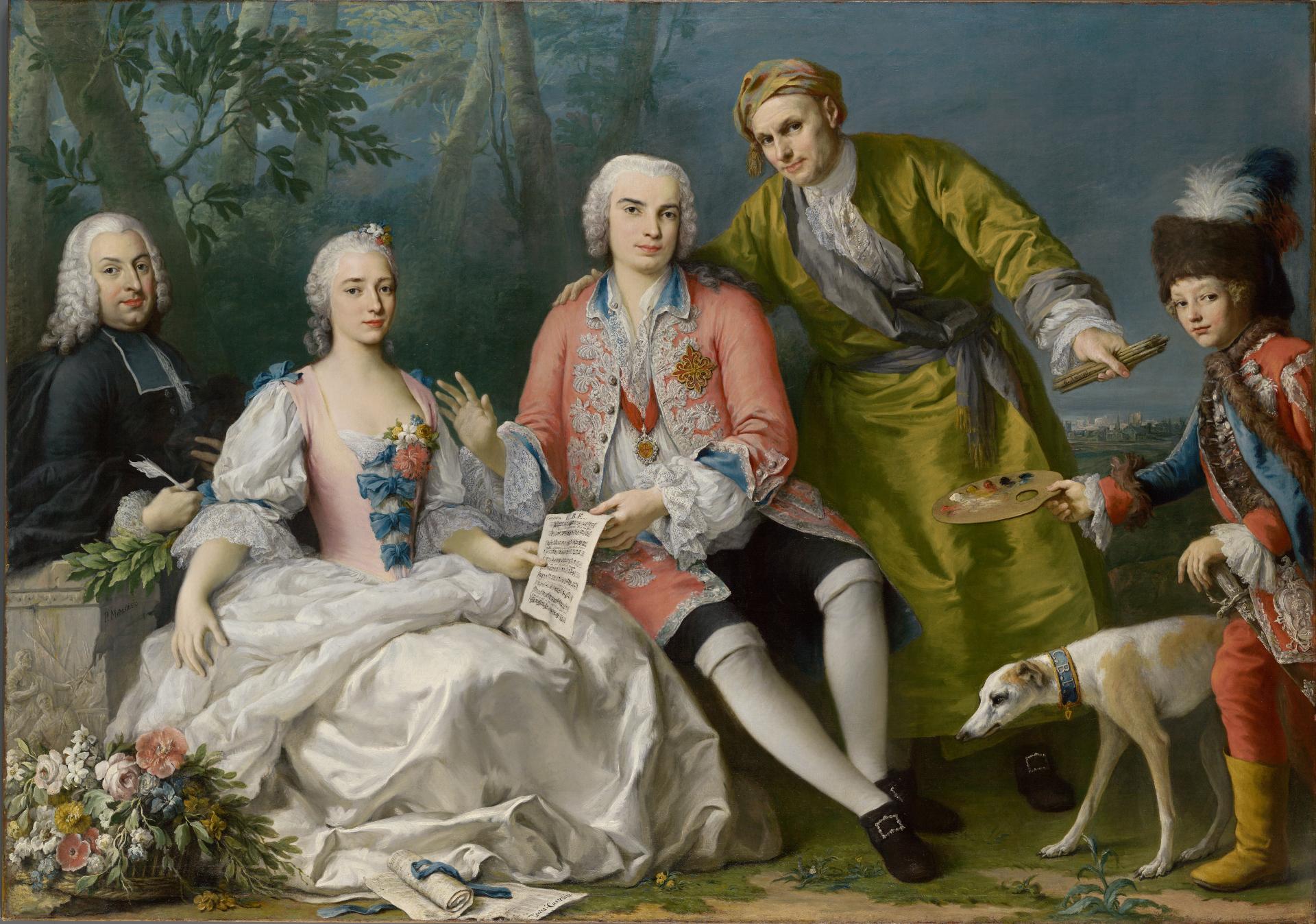
Many became superstars, idolized across Europe. Others faded into obscurity. The most successful could command enormous fees, live lavish lifestyles, and receive the adulation of the masses. Farinelli, one of the most famous castrati, was so revered that he was later brought to the Spanish court to sing nightly for a depressed king.
Castrati occupied a strange place in society. Physically and hormonally altered, their bodies often grew disproportionately — some were unnaturally tall with elongated limbs, leading to what we now recognize as forms of eunuchoid gigantism. They were not generally homosexual, despite modern assumptions. Many had romantic or sexual relationships with women, but these relationships were inherently complicated. One successful castrato, thwarted in love by his physical disposition, threw his empty purse at his father, signifying that his wealth did not make up for the procedure his father had sent him for. The Catholic Church, which often employed castrati in its choirs, prohibited them from marrying on the grounds of their infertility. A deep hypocrisy ran through the Church’s stance — while officially denouncing the practice, it simultaneously depended on castrati to fill its choirs, particularly the Sistine Chapel, where women were forbidden from singing.
Castrati were also known to flaunt fashion and wealth. In some cities, they could be seen strutting through town in full performance regalia, indulging in shopping sprees and attracting throngs of admirers — both male and female. Their ambiguous status made them a kind of early celebrity: alluring, strange, and socially transgressive.
What made the castrato voice so extraordinary — and so obsessively sought after — was its uncanny blend of purity and power. Unlike adult male singers whose voices dropped in adolescence, castrati retained the high, clear vocal range of a prepubescent boy. This gave them a brightness and clarity often associated with the female voice, but with key differences. Castrati had far greater lung capacity, physical stamina, and muscular control than women — their elongated ribs and unbroken vocal folds allowed them to produce long, sustained phrases with incredible volume and precision. Female singers could certainly sing high, but they lacked the sheer vocal heft of a full-grown male chest supporting those same pitches. In a way, the castrato voice was considered "more perfect" than the female voice: it had the sweetness of a soprano, but could cut through orchestras in large halls, something female singers often struggled with in an era before microphones. This fusion of innocence and grandeur made their voices seem almost otherworldly — and perhaps explains why audiences, composers, and patrons alike were willing to overlook the brutal means by which such voices were created.
Before microphones and electronic amplification, opera relied entirely on the natural power of the human voice to fill vast theatres. Composers like Handel, Gluck, Mozart, Vivaldi, wrote arias specifically for castrati, knowing their unparalleled range and endurance. Castrati could out-sing their peers, holding notes longer, leaping octaves with ease, and delivering performances that bordered on the supernatural.
However, by the 19th century, the practice began to decline. Enlightenment thinking, changing tastes, and increasing medical scrutiny led to public discomfort with the tradition. The last known castrato, Alessandro Moreschi, died in 1922 — a relic of a bygone age. His voice was even recorded, giving us a haunting glimpse into a world that is, thankfully, no longer physically sustained, but whose music still resonates.
An aria written by Vivaldi for the castrato role of Zelim in his opera "La verità in cimanto":
0 comments